🎓 Skills Your Child Will Develop
- 📚 Early Literacy Foundation — Daily shared reading, access to books, and language-rich environments at home are the most powerful predictors of reading success — and parental reading habits shape children's reading identities for life.
- ⚡ Executive Function — Consistent routines, clearly communicated expectations, and age-appropriate responsibilities build the executive function children need to self-regulate, plan ahead, and manage the demands of school and daily life.
- 🌱 Growth Mindset — Parents who praise effort and process rather than ability and outcome build children who believe intelligence can be developed — and children with growth mindsets achieve more, persist longer, and embrace challenge rather than avoiding it.
- 💬 Language & Communication — Rich parent-child conversation — especially expanded responses to children's observations and questions — is the single most powerful driver of vocabulary growth and language development available.
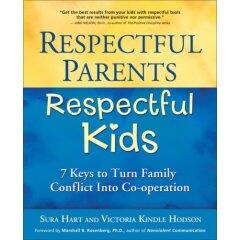 The title's a mouthful (Respectful Parents, Respectful Kids: 7 Keys to Turn Family Conflict Into Co-operation). But this is a book parents of preschoolers (and in fact, parents and caregivers of children of any age) will read over and over again.
There are new ideas to digest and some you've probably seen before but may not have been ready - or known how - to implement. For frazzled moms and dads, caught in power struggles with their offspring, the premise of Respectful Parents Respectful Kids seems quite restful (albeit scary). The co-authors, educator Sura Hart and psychologist Victoria Kindle Hodson, basically suggest parents relinquish heavy-handed control in favor of connection and cooperation.
Preschoolers Are People Too
In other words, preschoolers are people too and there should be a mutual respect between children and parents. So, as an alternative to parenting by domination (which quickly breeds argument, rebellion and sneakiness), parents should accord their children the kind of respect they do other adults.
Instead of issuing commands and expecting immediate obedience, for example, try role-modeling the behaviors you wish your children to have. Empathize with and talk to your preschooler in an attempt to really understand his or her viewpoint, as you would with another adult whose opinion you may not agree with. Always be supportive and loving, so that your home environment is one that is expected to be warm and comfortable - a happy place to be.
Of course, this approach takes patience, practice and diligence - sometimes it's just easier to snap out an order. However, the authors suggest that parents may not be fulfilling their own needs, which in turn costs them and their children. If you don't eat right or get enough sleep, or have a shoulder to lean on once in a while, you're not going to have the energy or desire to pay attention to your children, or have fun with them.
Small Steps Lead To Better Parenting Future
All of this might sound like unattainable utopia, but there are down-to-earth exercises, small daily steps, in Respectful Parents Respectful Kids for you to practice each day. In the opening of Chapter 3, the authors even ask for your "patience and understanding for the learning process you are going through." They want to you read the book and do the exercises with a view to a better future, and not agonizing over past mistakes.
You'll learn about small facets of your own behavior you can make specific changes to, and the reason why you might wish to. Some of these topics include: finding time to connect with your child; labeling people; focusing on the needs that underlie behavior; and foregoing rewards and punishments in favor of non-punitive parenting methods.
Seven Keys to No-Fault Preschool Parenting
In order to become the parent you aspire to be, the authors of Respectful Parents Respectful Kids have come up with seven keys to cooperation, which "gradually develop parents' capacity to establish a home as a No-Fault Zone". Each of the seven concepts involves you directly, many times asking what you want to see. In Key One (Parent With Purpose), you focus for a moment on the long term in order to understand parenting actions right now.
There are guiding questions like "What qualities do I want to see in my children when they are adults?" which, when you think about them and answer them, can help you see how your current behavior and lifestyle might impact your children when they're older.
Parents of Preschoolers Speak
Part III of Respectful Parents Respectful Kids is a section of "games, activities and stories for fun, inspiration and additional skill development." The stories are actual slices-of-life testimonials from other parents (they include full word-by-word dialogues), who are attempting to bring up their children in a non-punitive, non-permissive, yet respectful method, with love and deep-level communication at its base.
As a matter of fact, you may wish to read these stories first, even though they're at the back of the book. They are inspiring examples of other real-life moms and dads who love their kids enough to try to become better parents, and care enough about children in general that they're willing to share their insights with the rest of us.

I'm
Stephanie Olsen, the Preschool Parenting writer for PreschoolRock.com. As a mom of two and a freelance writer, I enjoy writing about parenting as well as exchanging ideas and opinions with other parents. If you have any suggestions or questions about this site, please
contact me.
